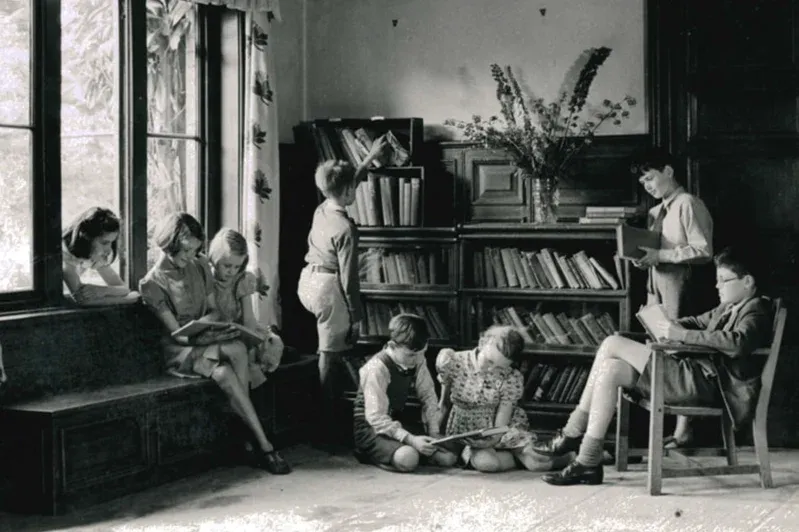
The Duchess of Sutherland & The Cripples' Guild
Deputy Editor Amelie Taylor Jones, LVI, uncovers the legacy of the Duchess of Sutherland.
Amelie Taylor-Jones
Deputy Editor, 2026
Before becoming part of Ibstock Place School, St Serf’s House, now more commonly known as Main House, was owned by the Duchess of Sutherland, as an ‘out of town residence’.
Unbeknownst to pupils and staff at Ibstock Place School nowadays, is her role as a prominent philanthropist and the impassioned commitment she demonstrated to education.
These features distinguished her in the years before she procured the house. In order to explore this further, let us be taken back to 1900; the installation of the
Cripples’ Guild…
In short, the Cripples’ Guild was a charitable organisation founded by the Duchess herself in the hope to support disabled children, particularly those who were impacted by poverty. Often, these children also had been subject to poor working conditions and industrial diseases (such as lead poisoning). As opposed to exclusively offering medical support, like existing organisations, the Guild instead aimed to focus on education and vocational work.
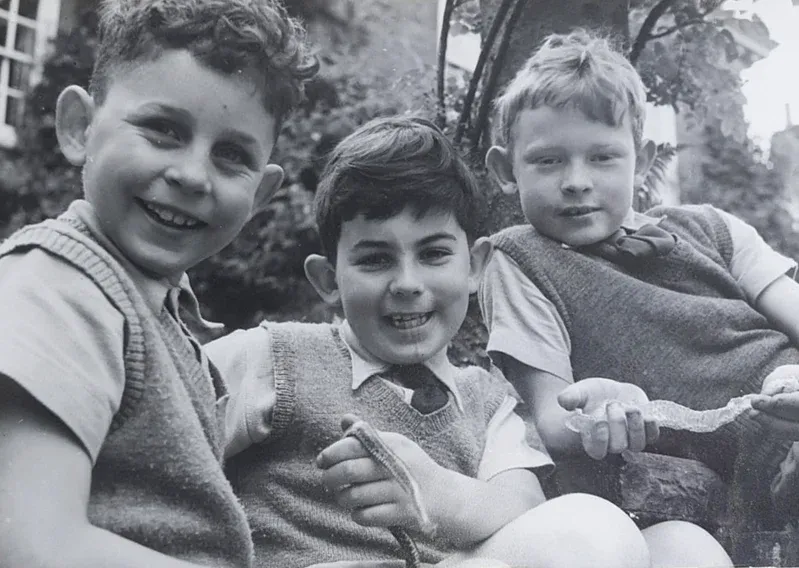
What was the big problem she was responding to?
At the turn of the 20th century, industrial complexes such as the Potteries were distinguished by harsh living and working conditions for children. The Duchess herself described the sight of these children as ‘heart rending’ and the reality of their suffering, ‘difficult to realise’. One of the most serious dangers came from the use of lead in pottery production, as I briefly mentioned earlier.
Although the detrimental effects of lead poisoning were not understood at thc time, we now understand it can cause life- threatening illnesses and permanent physical disabilities - As a result of many children being used for this labour, a large proportion of the youth developed long-term conditions that left them incapable of working or living independently.
Once diseases had had this effect on the children, there was very little structured support available. Not only were welfare systems severely limited, but a large proportion of families lacked sufficient resources to care for their children who were suffering long-term health conditions. As a result, these children were often left excluded from education and opportunities.
It was at the peak of this crisis that the Duchess of Sutherland took responsibility upon her self to improve the lives of disabled children, leading to the eventual creation of the Cripples’ Guild.
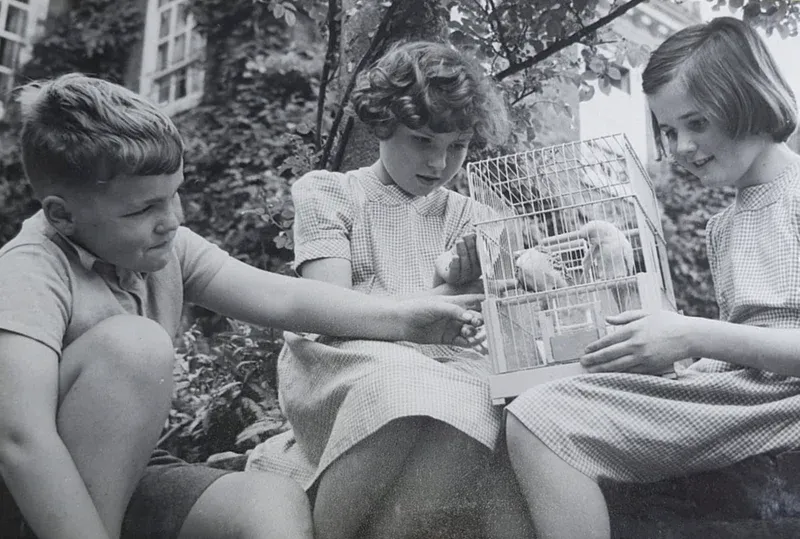
What the Cripples’ Guild did:
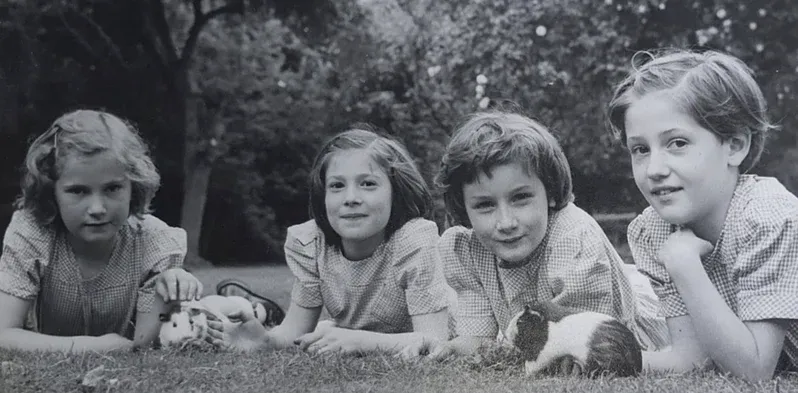
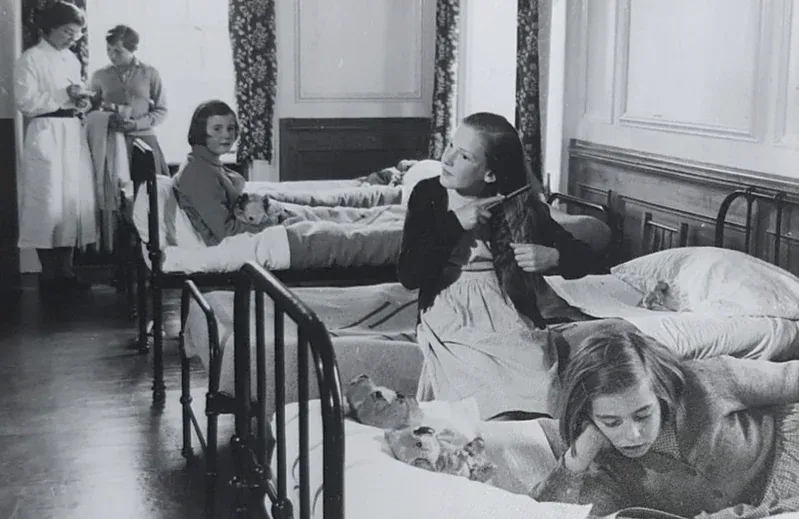
The Cripples’ Guild was founded in the year 1900 and aimed to provide a well-rounded education for disabled children, which would give them the skills and confidence needed to improve their future chances.
Children were encouraged to engage in a range of activities including pottery, metalwork, basket weaving, and bookbinding - trades which may seem less relevant now but were highly valuable at the time.
The Guild also placed emphasis on the importance of creativity and personal development.
When designing the creative arts curriculum, she drew inspiration from art and design from across Europe.
Her approach reflected her strong belief that education should aid the development of the whole individual, not just provide the basic skills. We now see this represented a shift away from the view of disabled children being dependent on charity and carers, and towards aiding their independence, making them self-sufficient individuals who were able to contribute to society regardless of their health complications.
The Duchess’s Educational Philosophy
At the very heart of the Cripples’ Guild was the belief that education should go much beyond simply relieving suffering of the children. The Duchess stood by the idea that the disabled should not be defined by their physical limitations, but that
outcasts of society
should be given opportunities to develop their abilities.
Her approach reflected a broader philosophy:
the importance of educating the whole person, and education as rehabilitation
By teaching previously mentioned practical skills alongside providing a space for artistic expression, the Duchess strived to give children the means to be self-reliant and the self-assuredness to participate more readily to their communities.
Although this may seem like an ordinary school for its time, the Guild was the first institution to treat the disabled as capable individuals. In her very own words, she aimed to develop
self-respecting members of society
Why does this matter to Ibstock Place School?
The work of the Duchess of Sutherland is closely connected to the history of Ibstock through her time spent at St Serf’ House (Main House), which she purchased in 1913. Although it is not certain how she intended to use the house in the long-term, her efforts regarding the Guild suggest that her interests surrounded
education and social equality
Knowing this makes it particularly significant that the building later became part of Ibstock…
The values outlined in the Cripples’ Guild (personal development, creativity, innovative thinking, education), all align with values we can see in our community at Ibstock today, adding an extra layer of meaning to the school’s history.
St Serf’s House is not only a historical landmark but most importantly part of the legacy of the Duchess — education striving to change lives.